Blogs
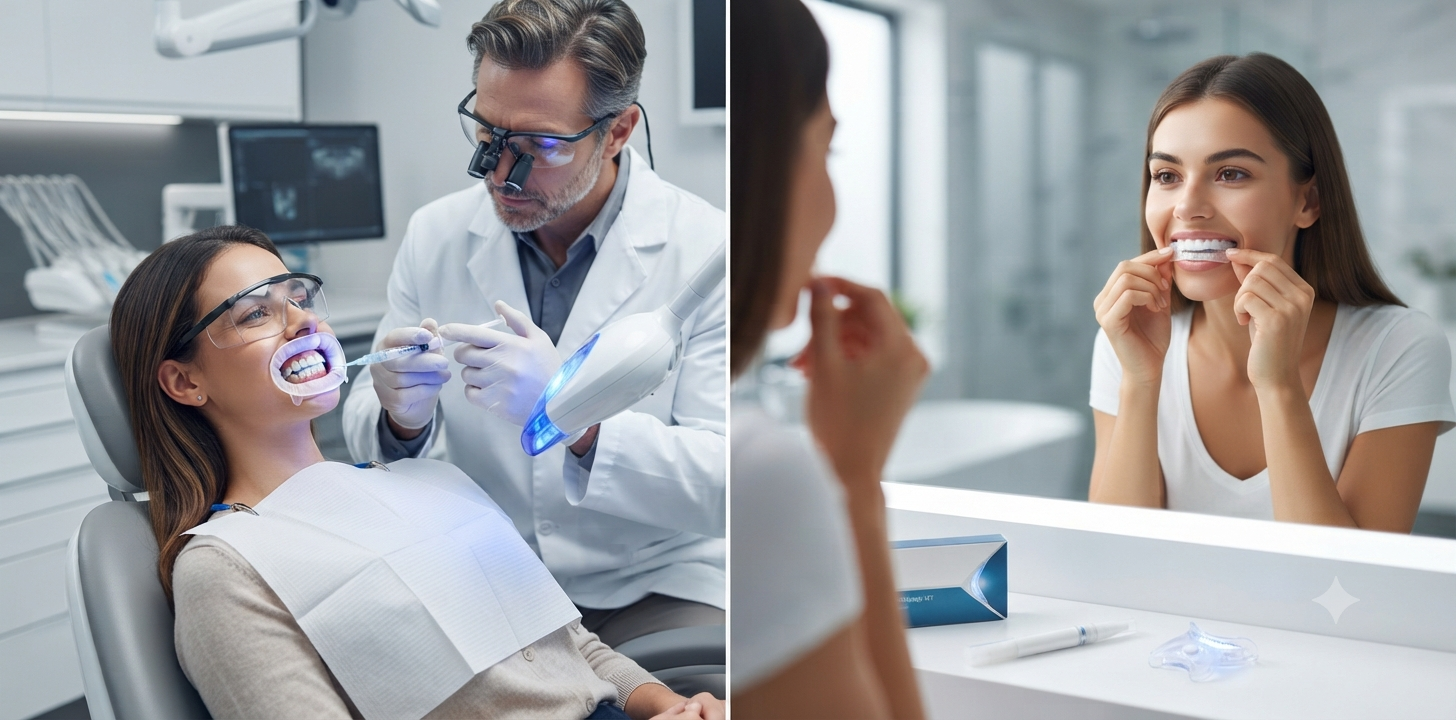
Why choose professional whitening over at-home kits? Learn how evaluation, sensitivity care, and supervised results compare. Visit A2Z Dental in Fort Worth.

Compare dental implants, dentures, and implant-supported dentures. Learn how they differ and schedule a consultation with A2Z Dental to find your best fit.
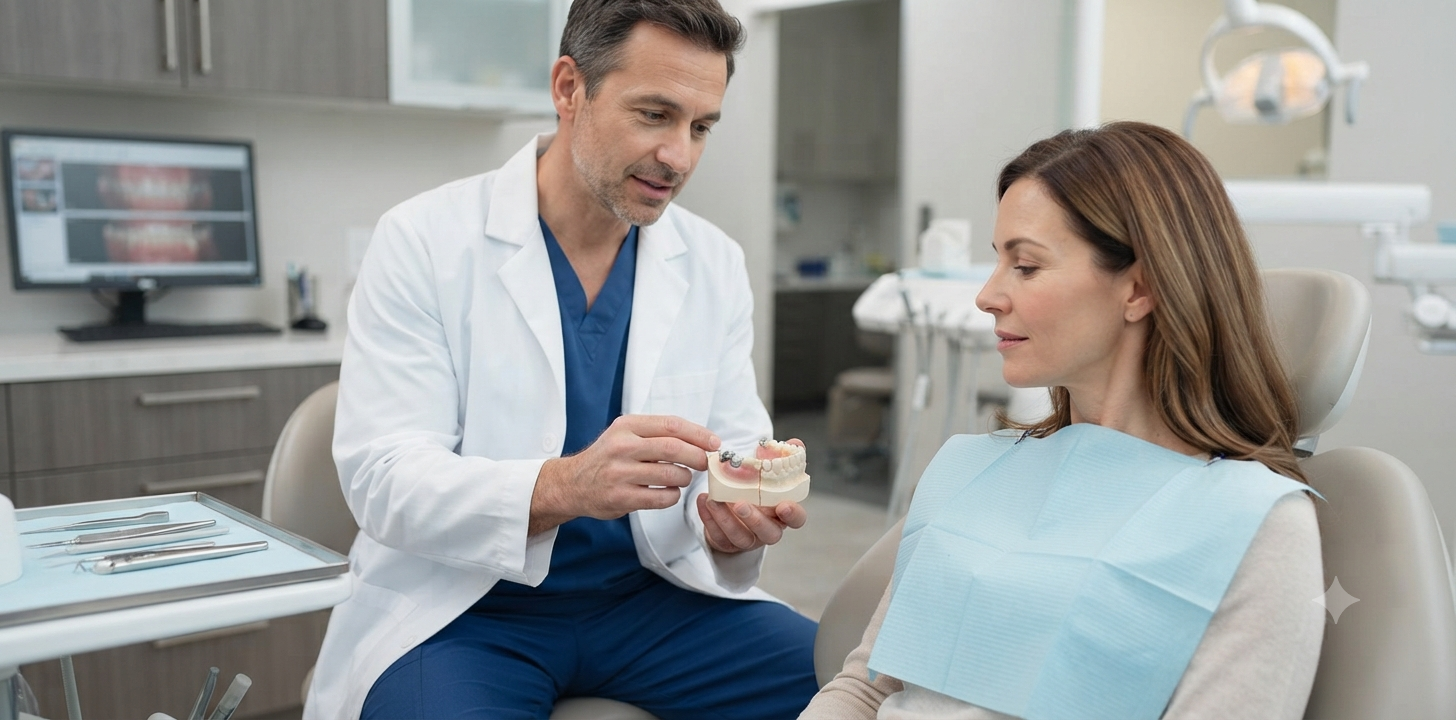
A partial denture can help restore chewing, speech, and your smile when several teeth are missing. See how it works, then call A2Z Dental in Fort Worth.
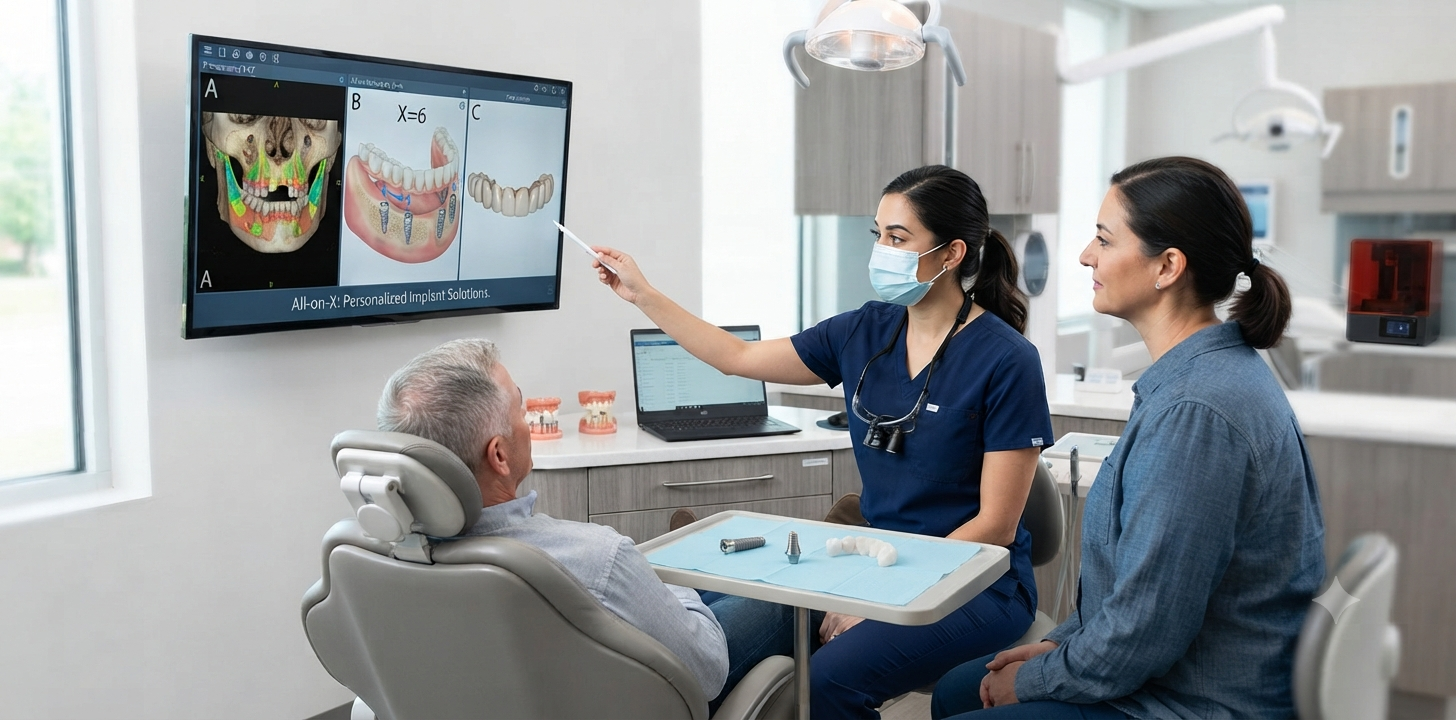
Learn what All-on-X dental implants are, who may be a candidate, and how they compare with dentures. Schedule a consultation at A2Z Dental in Fort Worth.
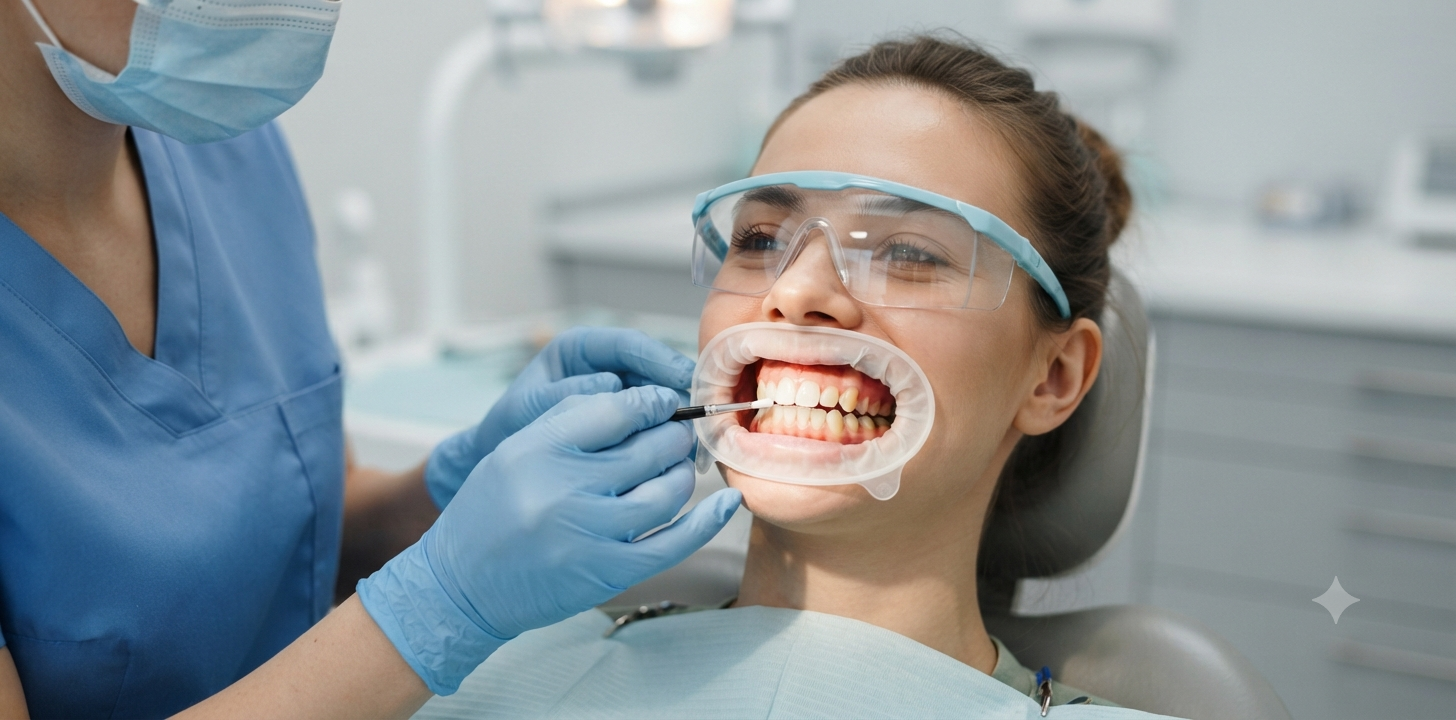
Professional teeth whitening can noticeably brighten your smile, but you may find that some teeth appear whiter than others after treatment. This does not necessarily mean the whitening procedure did not work. Different teeth can respond differently because the type, depth, and cause of discoloration are not always the same. Understanding these factors can help you have more realistic expectations about professional whitening results. How Does Professional Teeth Whitening Work? Professional whitening uses a bleaching agent to break down certain stain molecules within the tooth. Depending on the treatment, the whitening solution may be applied in the dental office or provided for supervised use at home. At A2Z Dental, professional whitening options can help address many common types of tooth discoloration and brighten the overall appearance of your smile. However, whitening does not affect every type of discoloration in exactly the same way. Why Might Some Teeth Whiten More Than Others? 1. Different Types of Stains Not all tooth stains develop for the same reason. Surface stains from coffee, tea, tobacco, or certain foods may respond relatively well to professional whitening. Deeper discoloration, however, can be more difficult to lighten. The difference may become more noticeable when several types of stains are present in the same smile. 2. The Age of the Tooth Teeth naturally change as we age. The outer enamel can become thinner over time, allowing more of the naturally darker dentin underneath to show through. Because of these changes, older teeth may not respond to whitening in exactly the same way as younger teeth. 3. Previous Dental Treatment Whitening agents work on natural tooth structure. They generally do not whiten materials used in restorations such as crowns, veneers, fillings, or bonding. If some teeth have restorations while others are natural, the natural teeth may become lighter while the restorations remain their original shade. This can sometimes create a noticeable difference in color. 4. Internal Tooth Discoloration Some teeth become darker because of changes inside the tooth rather than staining on the outer surface. For example, a tooth that has experienced previous trauma or certain internal changes may have a gray, brown, or darker appearance. These types of discoloration may not respond to conventional whitening as predictably as surface stains. 5. Natural Differences Between Teeth Even healthy natural teeth do not all have exactly the same shade. Front teeth, canines, premolars, and molars can naturally differ in color because of variations in enamel thickness and dentin. Professional whitening can make these differences more noticeable as the overall smile becomes brighter. Does Uneven Whitening Mean Something Is Wrong? Not necessarily. Some variation in shade after whitening can be completely normal. Your dentist can evaluate the teeth to determine whether the difference is simply due to natural tooth structure or whether another type of treatment may be needed. A dental examination is particularly important when one tooth is significantly darker than the others or has changed color unexpectedly. Can Professional Whitening Improve Uneven Tooth Color? In many cases, professional whitening can significantly improve overall tooth color. However, the goal is not always to make every tooth the same shade. Your dentist may recommend a specific whitening approach based on the cause and severity of your discoloration. If a particular tooth does not respond sufficiently, your dentist may discuss additional or alternative cosmetic treatment options. How Can You Get More Predictable Whitening Results? Before professional whitening, your dentist should evaluate your teeth and gums to determine whether whitening is appropriate. For more consistent results: Address cavities or gum problems before whitening Have significant surface buildup professionally cleaned Tell your dentist about existing crowns, veneers, or fillings Follow the recommended whitening schedule Avoid excessive whitening treatments Maintain good brushing and flossing habits Limit foods and drinks that commonly cause staining Following professional guidance can help you achieve a brighter and more balanced-looking smile. When Should You See a Dentist About a Dark Tooth? If one tooth is noticeably darker than the surrounding teeth, especially if the change happened suddenly, it is worth having it evaluated. A darker tooth can sometimes be associated with previous trauma, decay, or changes within the tooth. Whitening may not address the underlying cause. Your dentist can determine why the tooth has changed color and recommend the appropriate treatment. Get Professional Guidance Before Whitening Professional teeth whitening can be an effective way to brighten your smile, but every tooth may not respond at exactly the same rate or to the same degree. The type of discoloration, natural tooth structure, age, and existing dental restorations can all influence the final result. At a2zdental , professional evaluation can help determine what is causing your discoloration and whether professional whitening is the right option for your smile. If you're considering professional teeth whitening, schedule a consultation with A2Z Dental to discuss your smile goals and whitening options.
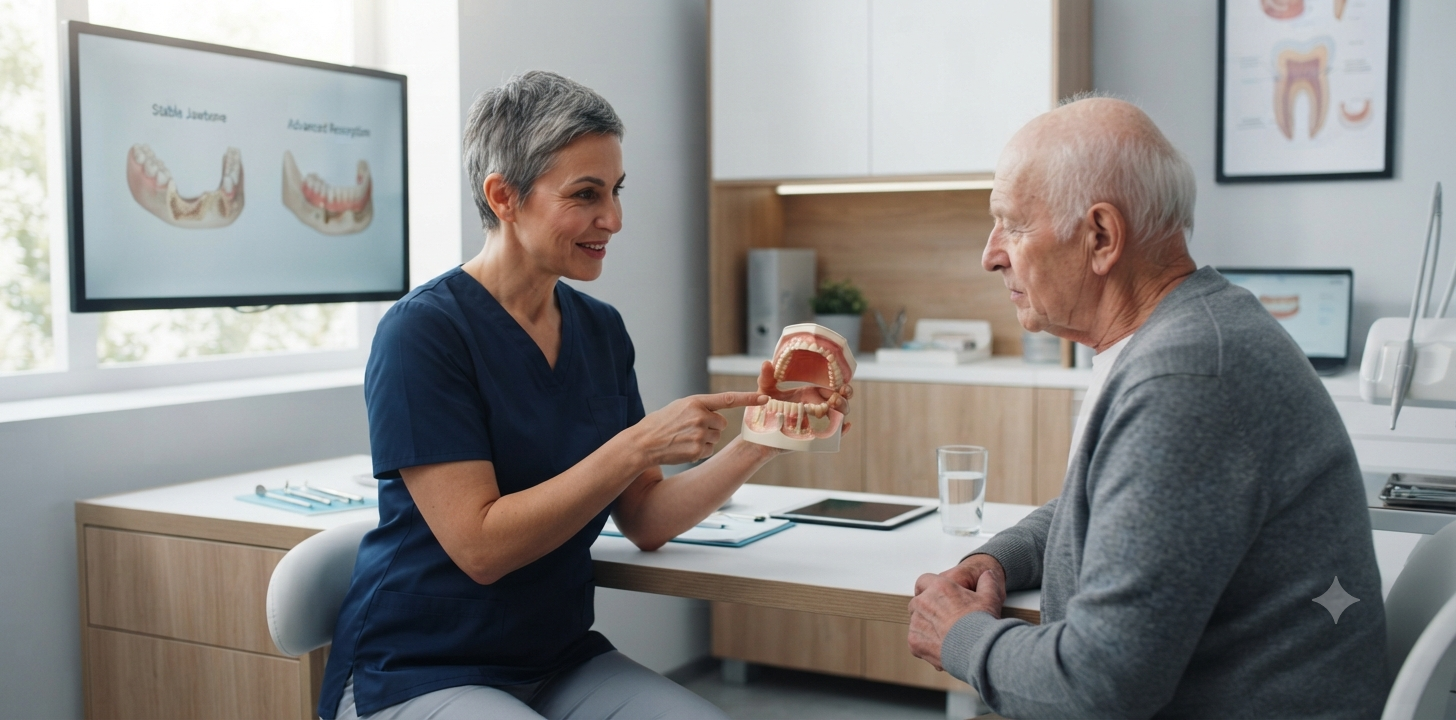
Dentures can restore your ability to eat, speak, and smile after tooth loss. However, a denture that fits comfortably when it is first made may not feel the same years later. One reason is jawbone shrinkage, also known as bone resorption. After natural teeth are lost, the jawbone no longer receives the same stimulation from tooth roots. Over time, the bone can gradually change in shape and volume, which may affect how well dentures fit. Understanding this process can help denture wearers recognize when it may be time for an adjustment, relining, or replacement. Why Does the Jawbone Shrink After Tooth Loss? Natural tooth roots stimulate the surrounding jawbone during everyday activities such as chewing. When a tooth is removed, that stimulation is lost. The body gradually remodels the bone in the area where the tooth once existed. This can cause the jaw ridge to become narrower or lower over time. Jawbone changes can continue for years after tooth loss, although the rate and amount of bone loss vary from person to person. How Does Jawbone Shrinkage Affect Denture Fit? Dentures are designed to rest on the gums and underlying jaw ridge. When the shape of that ridge changes, the denture may no longer fit as closely as it originally did. You may notice: Your denture feels loose while speaking or eating The denture moves when you chew Food gets underneath the denture more easily The denture causes sore spots or irritation You have difficulty chewing certain foods Your denture seems to sit differently than it used to You find yourself using more denture adhesive to keep it in place These changes do not necessarily mean the denture itself is damaged. The underlying jaw structure may simply have changed. Why Can Loose Dentures Become Uncomfortable? A well-fitting denture should remain relatively stable during normal activities. When the supporting ridge changes, the denture may move more than it should. Repeated movement can create friction between the denture and gum tissue. This may result in sore areas or irritation. A loose denture can also make chewing less comfortable and may affect speech or confidence when talking and smiling. Can Dentures Be Adjusted as the Jaw Changes? In some cases, a denture that has become loose can be improved through a denture reline or adjustment. A reline modifies the tissue-contacting surface of the denture so it better matches the current shape of your gums and jaw ridge. However, relining is not appropriate for every denture. If the denture is significantly worn, damaged, poorly positioned, or no longer provides the necessary support, replacement may be a better option. A dental professional can evaluate the condition of the denture and determine the most appropriate solution. How Often Should Dentures Be Evaluated? There is no single timeline that applies to every denture wearer. The condition of your dentures and changes in your oral tissues should be evaluated regularly. During a dental examination, your dentist can check: How securely the denture fits The condition of your gums Changes in the jaw ridge Signs of irritation or pressure Wear or damage to the denture Whether an adjustment, reline, or replacement may be needed Regular evaluations can help identify fit problems before they significantly interfere with everyday activities. Can Jawbone Loss Be Prevented? Some amount of bone remodeling after tooth loss is a natural process. However, replacing missing teeth with certain options, such as dental implants , can provide stimulation to the jawbone because implants are placed into the bone. For patients who are candidates, implant-supported dentures may provide greater stability than traditional removable dentures. Whether this option is appropriate depends on factors such as your oral health, bone availability, overall health, and treatment goals. What Should You Do If Your Dentures No Longer Fit? If your dentures have gradually become loose, uncomfortable, or difficult to use, do not simply rely on adhesive to manage the problem indefinitely. A dental evaluation can determine why the fit has changed and whether the solution is an adjustment, reline, new dentures, or another tooth-replacement option. At A2Z Dental , patients can discuss their denture concerns and receive personalized recommendations based on their current oral health and needs. Keep Your Dentures Comfortable and Functional Jawbone shrinkage after tooth loss can gradually change the foundation that supports your dentures. As the jaw ridge changes shape, dentures may become loose, uncomfortable, or less effective during everyday activities. The good news is that a changing denture fit does not have to be something you simply live with. Regular dental evaluations can help identify changes and determine whether your dentures need adjustment, relining, replacement, or additional support. If your dentures no longer feel as comfortable or secure as they once did, schedule an evaluation with A2Z Dental to discuss your options.

Missing teeth can affect much more than your appearance. They can make it difficult to eat, speak clearly, and smile with confidence. Fortunately, dental implants have become one of the most reliable and natural-looking solutions for replacing missing teeth. Despite their success, many people hesitate to consider dental implants because of common myths and misconceptions. Let's separate fact from fiction so you can make an informed decision about your oral health. Myth #1: Dental Implants Are Painful The Truth: This is one of the biggest misconceptions about dental implants. The implant procedure is performed using local anesthesia, so you shouldn't feel pain during the treatment. Most patients report that the recovery is easier than they expected and compare the discomfort to having a tooth extracted. Your dentist will also provide instructions and, if needed, medication to help you recover comfortably. Myth #2: Dental Implants Look Fake The Truth: Modern dental implants are designed to look, feel, and function like natural teeth. The visible crown is custom-made to match the color, shape, and size of your surrounding teeth, making it difficult for others to tell the difference. In many cases, even close friends and family won't know you have an implant. Myth #3: I'm Too Old for Dental Implants The Truth: Age alone doesn't determine whether you're a candidate for dental implants. Many adults in their 60s, 70s, and even 80s successfully receive implants. What's more important is your overall health, gum health, and jawbone condition. Your dentist will evaluate these factors during your consultation. Myth #4: Dental Implants Require Too Much Maintenance The Truth: Dental implants don't require special cleaning products or complicated routines. Simply: Brush twice a day. Floss daily. Visit your dentist for regular checkups and cleanings. Good oral hygiene helps protect both your implant and the surrounding gums. Myth #5: Dental Implants Are Only for Replacing One Tooth The Truth: Dental implants are incredibly versatile. They can replace: A single missing tooth Multiple missing teeth An entire arch of teeth using implant-supported bridges or dentures Your treatment plan will depend on your individual needs. Myth #6: Dental Implants Often Fail The Truth: Dental implants have a very high success rate—often over 95% in healthy patients who maintain good oral hygiene and follow their dentist's recommendations. Factors such as smoking, uncontrolled diabetes, or poor oral hygiene can increase the risk of complications, but most implants are designed to last for many years. Myth #7: They're Too Expensive to Be Worth It The Truth: While dental implants may have a higher upfront cost than some other tooth replacement options, they are often a long-term investment. Unlike removable dentures or bridges that may require replacement over time, dental implants are designed for durability and can last for decades with proper care. They also help preserve jawbone health, which can reduce future dental complications.
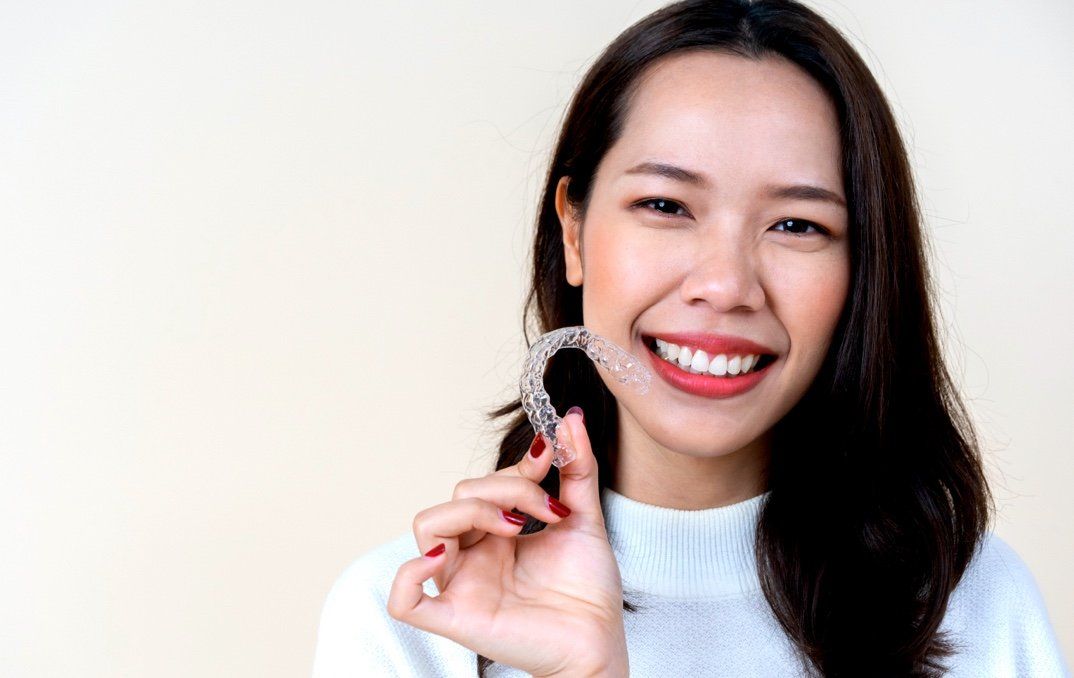
Unlike good wine, toothbrushes don't get better with age. Make sure you replace your toothbrush every three months, and more often in cases when it is looking worn with wear.
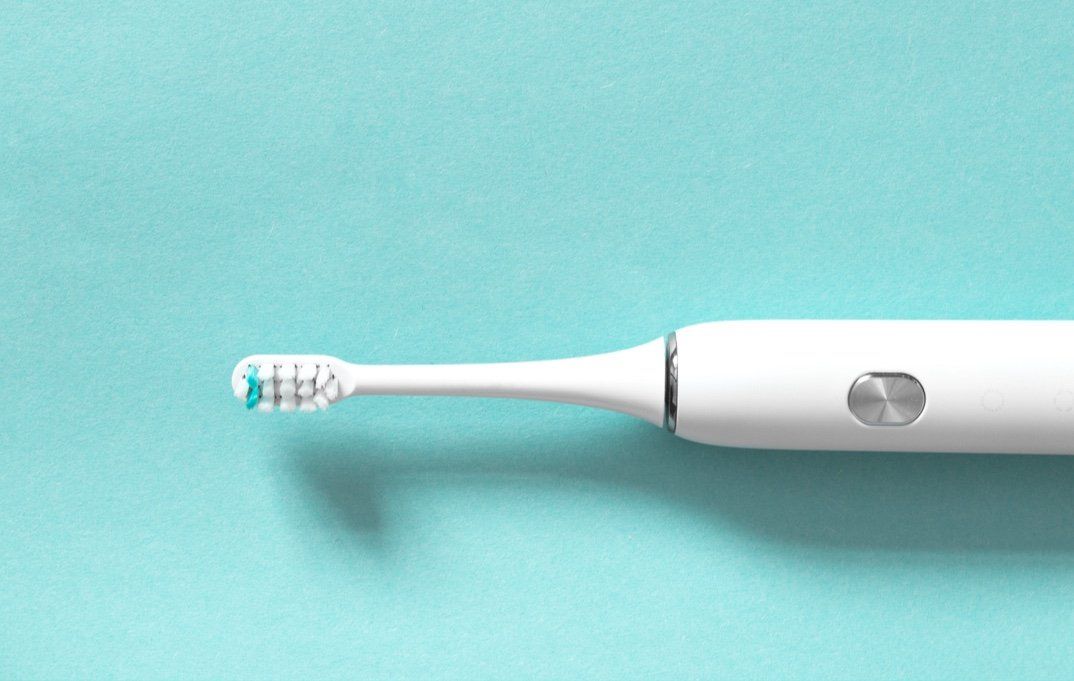
Investing in an electric toothbrush may be one of the best investments you ever make. It can prevent tooth decay, bad breath and more, helping you avoid cavities and more.

Tootaches can be a minor irritation, or they can be an indication of something much more serious. If you're not quite sure how serious something is, set an appointment with us.