New Title
Why Professional Teeth Whitening Is Still Popular Despite At-Home Whitening Products
A brighter smile continues to be one of the most popular cosmetic dental goals. With whitening strips, whitening toothpastes, gels, LED kits, and other at-home products widely available, it may seem easier than ever to brighten your teeth on your own.
However, professional teeth whitening remains a popular option for people who want a more personalized approach to improving the appearance of their smile. The difference is not simply about where the whitening treatment takes place. Professional whitening involves an evaluation of your teeth, consideration of your individual needs, and professional guidance throughout the process.
Understanding how professional whitening compares with at-home options can help you decide which approach may be right for your smile.
Why Do Teeth Become Discolored?
Tooth discoloration can develop for many different reasons. Some stains are caused by foods and beverages, while others are related to changes within the tooth itself.
Common sources of surface staining include:
- Coffee and tea
- Red wine
- Dark-colored foods and beverages
- Tobacco use
- Certain dietary habits
Teeth can also naturally become darker with age. The enamel may become thinner over time, allowing more of the naturally darker dentin underneath to show through.
Because different types of discoloration respond differently to whitening, identifying the cause of staining is an important first step.
How Do At-Home Whitening Products Work?
At-home whitening products are available in many forms. Whitening strips, gels, trays, toothpastes, and other products may contain ingredients designed to lighten certain types of tooth discoloration.
Some products can provide noticeable improvement when used consistently and according to their instructions.
However, the strength, application method, and concentration of whitening ingredients can vary considerably between products. Results may also depend on the original shade of the teeth and the type of staining present.
For some people, an at-home product may provide the level of improvement they are looking for. Others may prefer the greater control and professional guidance available through an in-office treatment.
What Makes Professional Teeth Whitening Different?
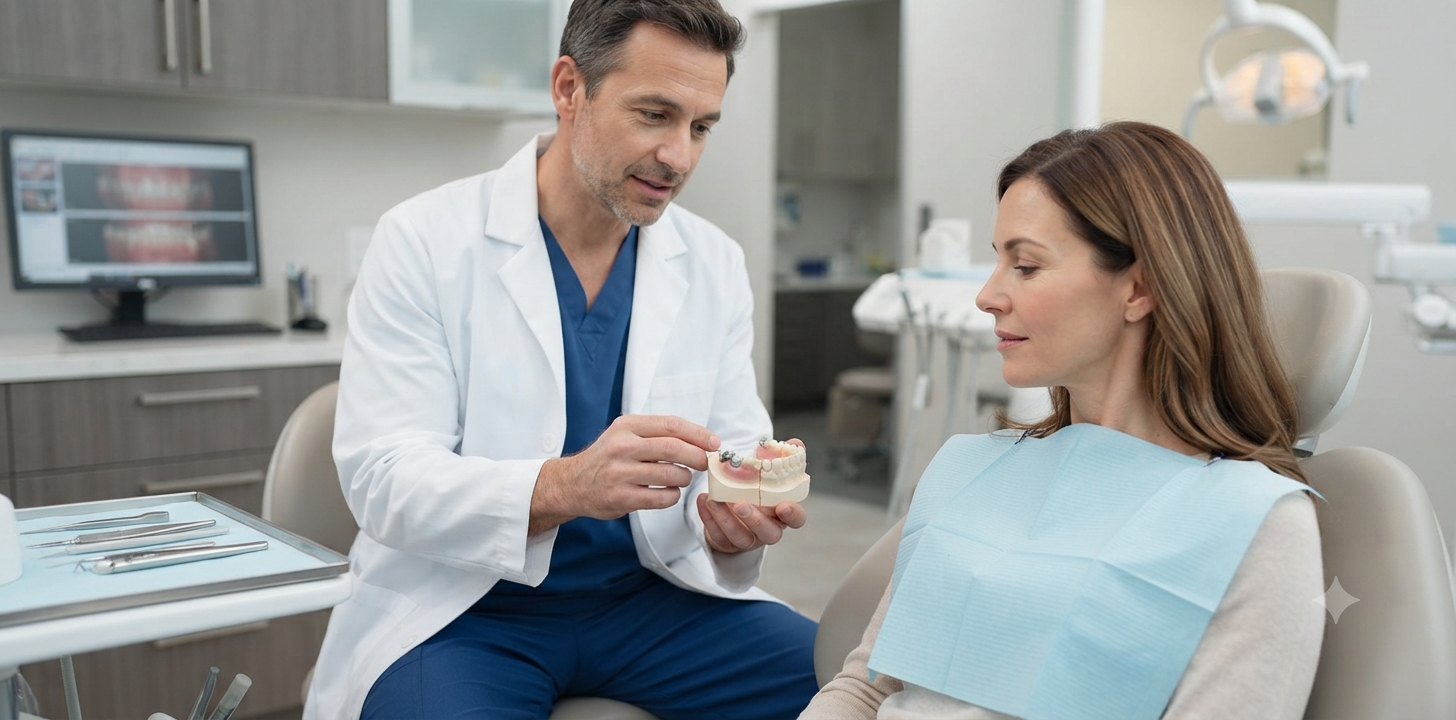
Professional whitening begins with an evaluation of the patient's teeth and oral health.
Before whitening, a dental professional can look for concerns such as cavities, gum problems, cracked teeth, or significant sensitivity. Addressing these issues first may be important before beginning a cosmetic whitening treatment.
Professional whitening also uses products and application techniques selected and monitored by a dental professional.
The treatment can be tailored to the patient's needs rather than relying on a standardized approach.
Professional Whitening Can Offer More Controlled Results
One reason people choose professional whitening is the ability to have the treatment monitored throughout the process.
A dental professional can determine the appropriate whitening approach based on the patient's teeth, existing restorations, sensitivity, and desired outcome.
This can be particularly helpful for patients who have previously experienced sensitivity with whitening products or who are unsure which type of treatment would be appropriate.
The goal is not simply to make teeth as white as possible. It is to achieve a brighter appearance while taking the patient's oral health and individual circumstances into consideration.
What About Tooth Sensitivity?
Sensitivity is one of the most common concerns associated with teeth whitening.
Some patients may experience temporary sensitivity during or after whitening, particularly if they already have sensitive teeth.
With professional whitening, your dental provider can assess your risk for sensitivity and provide guidance on how to manage it. If you develop significant discomfort, you can also receive professional advice rather than trying to determine the cause on your own.
This level of monitoring can be reassuring for patients who have had sensitivity with previous whitening treatments.
Can Whitening Remove Every Type of Stain?
No. Whitening does not work equally well on every type of discoloration.
It generally works best on certain types of natural tooth staining. However, discoloration caused by some medications, trauma, or changes within the tooth may respond differently.
It is also important to understand that whitening affects natural tooth structure. Dental restorations such as crowns, veneers, and some fillings do not whiten in the same way as natural teeth.
If you have visible restorations, whitening may change the shade of your natural teeth without changing the color of the restoration. A dental consultation can help you understand what result to expect.
Why Do Some People Prefer Professional Whitening?
Several factors can make professional whitening appealing.
Professional Evaluation
Your teeth and gums can be evaluated before treatment to determine whether whitening is appropriate.
Personalized Treatment
The whitening approach can be selected based on your needs, sensitivity, and desired results.
Professional Guidance
You do not have to rely solely on product instructions. Your dental provider can explain how the treatment works and what you should expect.
More Predictable Treatment
Professional supervision can provide greater control over the whitening process and help identify factors that may affect the final result.
Convenient Treatment
For patients who want a noticeable improvement without maintaining a long at-home routine, professional whitening may provide a convenient option.
Does Professional Whitening Replace Good Oral Hygiene?
No. Whitening is a cosmetic treatment, not a substitute for preventive dental care.
Brushing twice a day, cleaning between your teeth, limiting frequent consumption of staining foods and drinks, and maintaining regular dental visits are all important for keeping your smile healthy.
After whitening, your daily habits can also affect how long your results remain noticeable. Limiting frequent exposure to strongly pigmented foods and beverages may help maintain a brighter appearance.
How Long Do Whitening Results Last?
The longevity of whitening results varies from person to person.
Your diet, oral hygiene habits, tobacco use, age, and natural tendency toward staining can all influence how long the results remain visible.
Whitening is not necessarily a one-time treatment for life. Some people may eventually choose additional whitening to maintain their desired shade.
Your dental provider can recommend an appropriate approach based on your teeth and cosmetic goals.
Choosing the Right Whitening Option for Your Smile
At-home whitening products can be convenient and may work well for certain types of staining. However, professional teeth whitening offers the advantage of dental evaluation, individualized treatment, and professional supervision.
The best option depends on the condition of your teeth, the type of discoloration, your sensitivity, and the level of whitening you want to achieve.
If you are considering whitening, a dental consultation can help determine whether professional treatment is appropriate and what results you can realistically expect.
A brighter smile starts with healthy teeth. By choosing a whitening approach that considers both your cosmetic goals and your oral health, you can work toward a smile that looks brighter while keeping your dental care on the right track.